When to Consider a Full Mouth Reconstruction
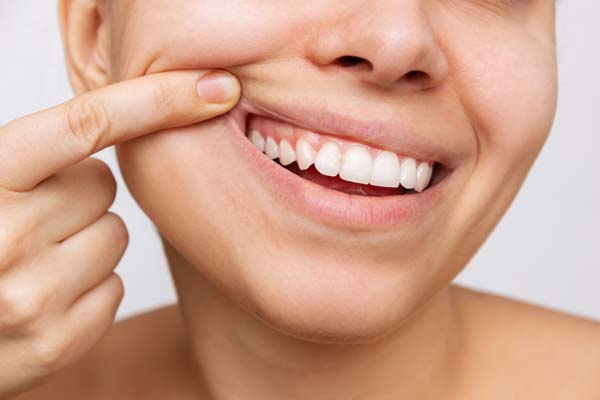
A full mouth reconstruction rebuilds the bite, teeth, and gum health to restore comfortable function and appearance. Patients consider full mouth reconstruction when multiple teeth suffer from decay, fractures, wear, or loss. The process combines restorative and cosmetic dentistry to improve chewing, speech, and jaw balance. Because the mouth works as a system, addressing several concerns together can deliver a more stable result than fixing one tooth at a time.
What it involves
Treatment often blends crowns, bridges, dental implants, veneers, and periodontal therapy. Crowns strengthen cracked or heavily filled teeth, while veneers refine shape and color on front teeth. Implants replace missing roots to stabilize single teeth or full-arch restorations. If gums show inflammation, scaling and root planing reduce infection before placing new restorations. For patients with tense jaw joints or bruxism, a night guard helps protect repaired teeth and supports temporomandibular joint (TMJ) comfort.
Signs you may benefit
When everyday function and comfort decline, comprehensive care can help. Consider a consultation if the following issues occur regularly:
- Frequent tooth fractures, worn edges, or flat chewing surfaces from grinding
- Multiple missing teeth or loose, ill-fitting partials or dentures
- Ongoing jaw pain, headaches, or clicking related to bite problems
- Sensitivity, broken fillings, or recurrent decay across several teeth
- Short, chipped, or discolored teeth that affect confidence and speech
Together, these symptoms point to a system-wide problem rather than a single-tooth issue. Addressing them in a coordinated plan can improve strength, chewing efficiency, and smile harmony.
How treatment is planned
A general dentist begins with a thorough exam, X-rays, and photos, then evaluates the bite, gum health, and remaining tooth structure. Digital scans and models help map occlusion, or the way upper and lower teeth meet, and preview changes. In many cases, provisional restorations “test-drive” the new bite before finalizing materials and shades. The plan may phase care over several visits: infection control and extractions first, implant placement and healing next, and final crowns or bridges last. Clear timelines, home-care instructions, and check-ins guide each step so tissues heal and results remain stable.
Cost, longevity, and maintenance
Costs vary based on the number of teeth involved, the materials used, and whether implants or gum therapy are included. A phased approach can align with health priorities and budget. With consistent brushing, interdental cleaning, and professional maintenance, modern ceramics and implant components offer durable performance. Night guards protect against grinding forces, and regular assessments allow small adjustments before problems develop. Patients who manage dry mouth, acid erosion, and gum disease risk see better long-term outcomes.
Schedule your consultation
Rebuilding comfort and function across the whole mouth starts with a thorough evaluation and a personalized roadmap. A comprehensive plan can reduce future breakdowns, improve chewing and speech, and refresh a smile's appearance in a way that suits daily life. For more information or to schedule an appointment, call our office.
To schedule a consultation, please request an appointment on our website at https://pcdentaltx.com or call Prairie Creek Dental at (972) 436-2431 to arrange an appointment at our Lewisville office.
Check out what others are saying about our dental services on Yelp: Full Mouth Reconstruction in Lewisville, TX.
Related Posts
Want to know what symptoms are associated with TMJ? Many symptoms are linked to this commonly diagnosed jaw-related disorder, including jaw pain. However, other symptoms are important to be aware of as they can help the general dentist make a diagnosis and treatment plan. Many are surprised to learn that a general dentist can diagnose…
Millions of Americans do not visit the dentist due to fear, but thankfully that can be resolved with sedation dentistry. By refusing to go for your routine dental checkups, you are giving plaque the chance to accumulate on your teeth. While it is true that good home oral hygiene practices may help keep your teeth…
Dental Botox® is a treatment option that many people are beginning to consider. While Botox® has traditionally been used for cosmetic purposes, recent studies have shown that it can be beneficial for treating oral problems. However, because it is relatively new to dentistry, many are curious as to what it can actually be used for.Outlined…
A smile makeover works best with personalized planning and commitment on the part of the patient. Protecting this investment requires proper aftercare. While the dental team delivers quality treatments, the patient needs to take good care of their smile for the results to last. By following the team's aftercare guidelines and practicing good oral hygiene,…